POLAR BEAR Water Source Heat Pumps 437-494-0964

Design-build · Total project engineering · One Toronto-built brand

The heat pump is built in Toronto. So is the crew that installs it.

Polar Bear Geothermal is a turn-key contractor working exclusively with one equipment partner: Polar Bear Water Source Heat Pump Mfg. Inc., who build the units in Toronto. We design the loop field, engineer the plant, install and commission — across the GTA and Southern Ontario.

The line is answered 24 hours a day by an automated assistant that can book a real site visit on the spot. Call at 2am if that is when you are thinking about it.

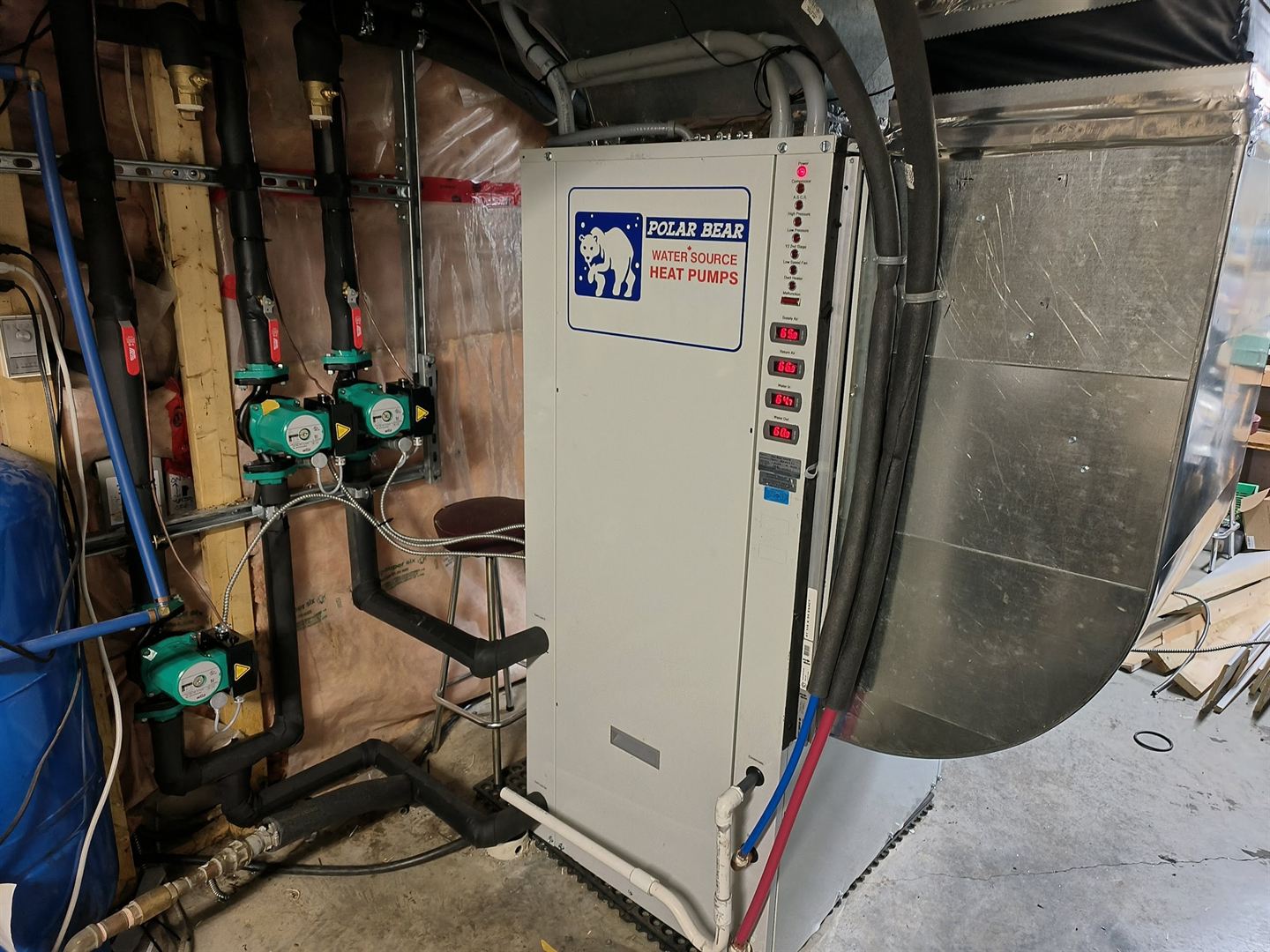
A Polar Bear water source heat pump installed in a mechanical room, connected to insulated loop piping, an expansion tank and an electrical panel.
A Polar Bear water-to-water unit, installed and piped. One brand, built in Toronto, on every job we do.
0tonsOne retrofit, 501 Alliance Ave
0units15-ton water-to-water
0+Installations to date
0/ 80LEED points from the geo

What we actually are

A short chain, which is unusual in this trade

Most geothermal jobs are assembled from strangers: a driller, a mechanical contractor, an engineer, and an equipment brand shipped in from somewhere else. When something underperforms, each one can point at the others. We shortened that chain to two companies that work together on every job.

01

Geothermal design & build

Heat-loss and heat-gain calculations, loop field design, drilling, headers, the mechanical room, and commissioning. The people who draw it are the people who build it.

02

Total project engineering

Buildings do not arrive as blank sites. We work with existing plant, existing risers and existing constraints — retrofits, additions, and the awkward half of a building nobody wants to touch.

03

One equipment partner, built in Toronto

We fit Polar Bear water source heat pumps and nothing else, made here by the manufacturer we work alongside. Capacity gets matched to the design rather than to a catalogue, parts are a drive away, and a service question reaches the people who actually built the machine.

The flagship

501 Alliance Avenue, Toronto

A four-storey, 65,000 sq ft building plus a 54,000 sq ft single-storey structure, converted to geothermal. It is also the building the heat pumps are made in — which is either a good sign or a very expensive way to make a point.

Mechanical plant room showing installed water source heat pump equipment and header piping.
  • Installed capacity275 tons
  • Heat pumps18 × 15-ton water-to-water
  • CompressorsCopeland
  • CoilsPackless water coils
  • Borehole depth192 m / 630 ft
  • DrillingOff vertical axis, ~10% more field
  • PerimeterPassive + active ice melt
  • Contribution39 of 80 LEED points, Gold
  • Headroom left+45 tons provisioned

Good equipment is only part of a smart installation. Good engineering and installation practices are also required.

Dennis Campbell, President, Polar Bear Water Source Heat Pump Mfg. Inc.

Why water source

The ground does not have a bad day in February

An air-source unit has to pull heat out of −20 °C air on the coldest night of the year — its hardest work lands at the worst possible moment. A water source machine is drawing from a loop sitting in ground that barely moves off its annual temperature. The Ontario Geothermal Association puts the top 200 m of Ontario crust at roughly 6–11 °C year round.

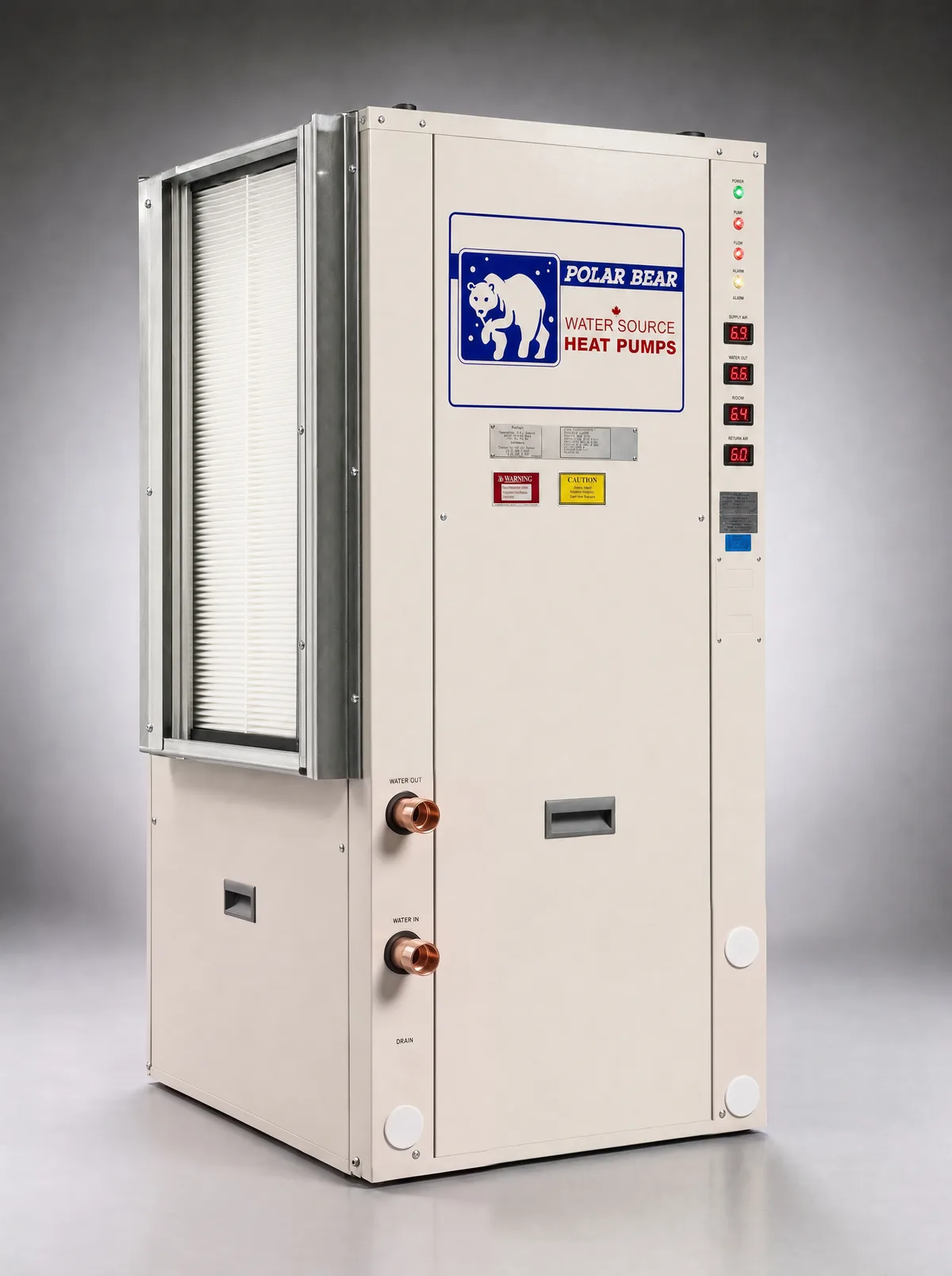
The Polar Bear Water Source Heat Pumps badge on a unit cabinet: a white polar bear on deep blue, with a red maple leaf.
The badge is not decoration. It means the cabinet, the coil and the controls were assembled in Toronto, and that parts and service come from the same building.
Installed heat pump with insulated supply and return piping and control wiring in a mechanical room.
A water-to-water machine at the heart of a plant. One system heats and cools; there is no separate condenser sitting outside the building.

What actually goes wrong on geothermal jobs

Almost never the physics. It is an undersized loop quietly leaning on backup electric resistance heat every January, and a nobody-owns-it split between the driller, the mechanical contractor and the equipment supplier. Ask any bidder how the loop was sized and who carries the number if it is wrong. The answer tells you most of what you need to know.

If there is no gas line

Off the gas grid is where this stops being a green decision and starts being an arithmetic one.

On propane, oil or electric baseboard, geothermal is not competing with cheap natural gas — it is competing with the most expensive heat in Ontario. That changes both halves of the equation at once.

The running cost

You are replacing the expensive fuel, not the cheap one

A ground loop moves several units of heat for every unit of electricity it draws. Against propane or resistance heat, that gap is where the payback lives — and it does not depend on a rebate existing.

The rebate

Four times the incentive, for the same machine

Ontario's ground-source rebate reaches up to $12,000 for homes heated by electricity, oil, propane or wood — against a flat $3,000 for a home on natural gas. Off-gas properties are the ones the programme actually rewards. The full rebate detail →

Rural and lakefront work is normal for us, not an exception

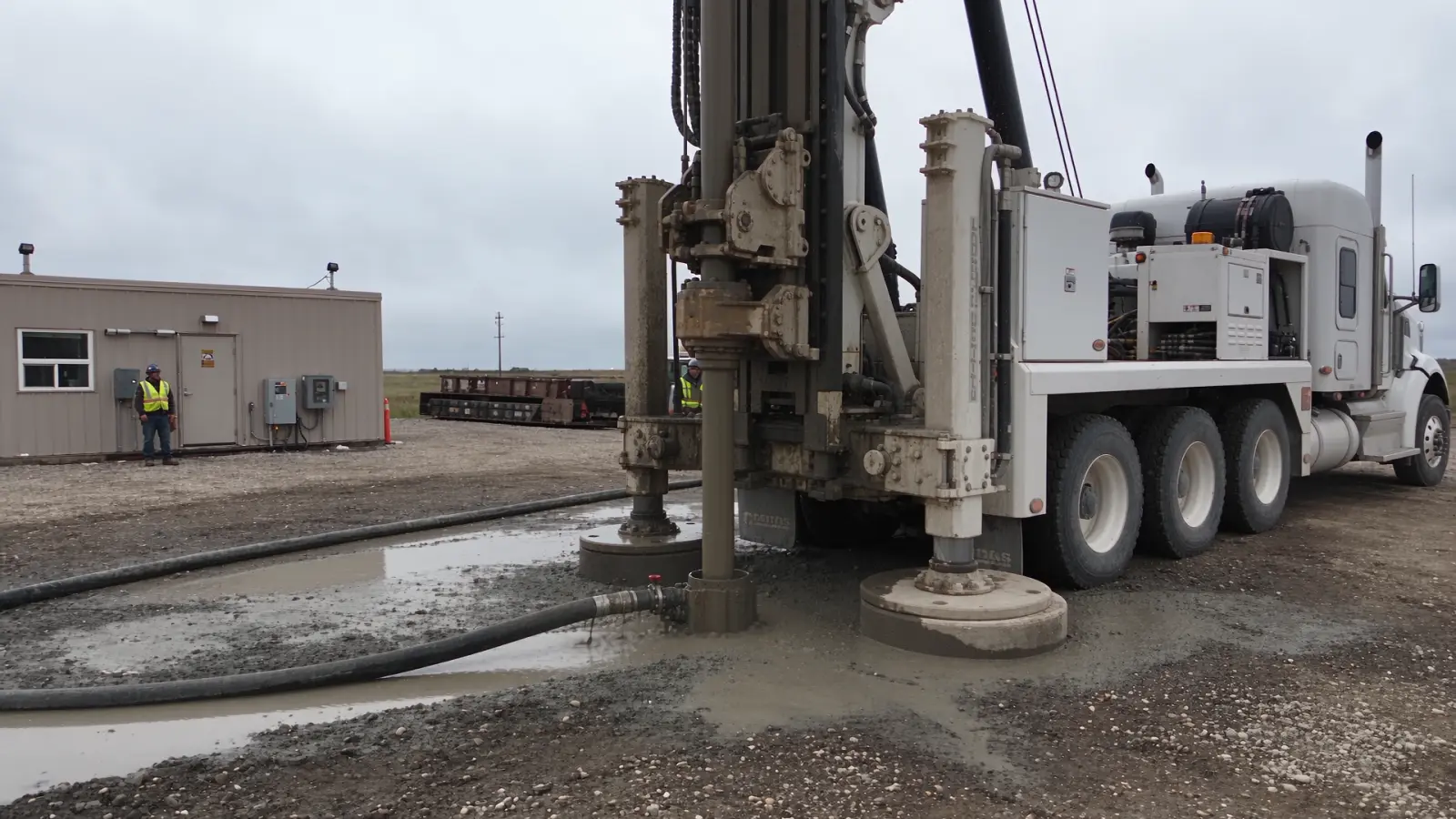
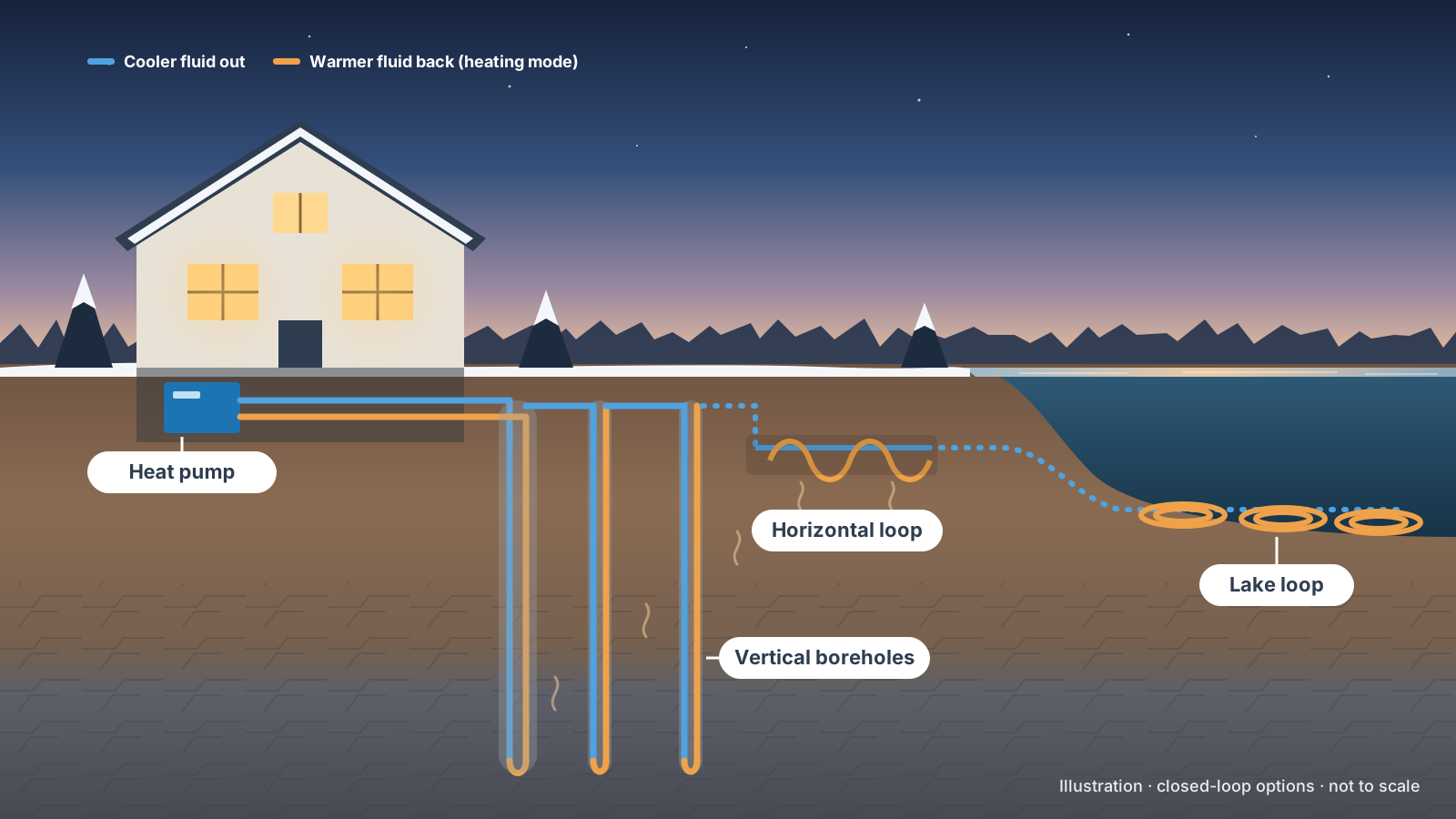
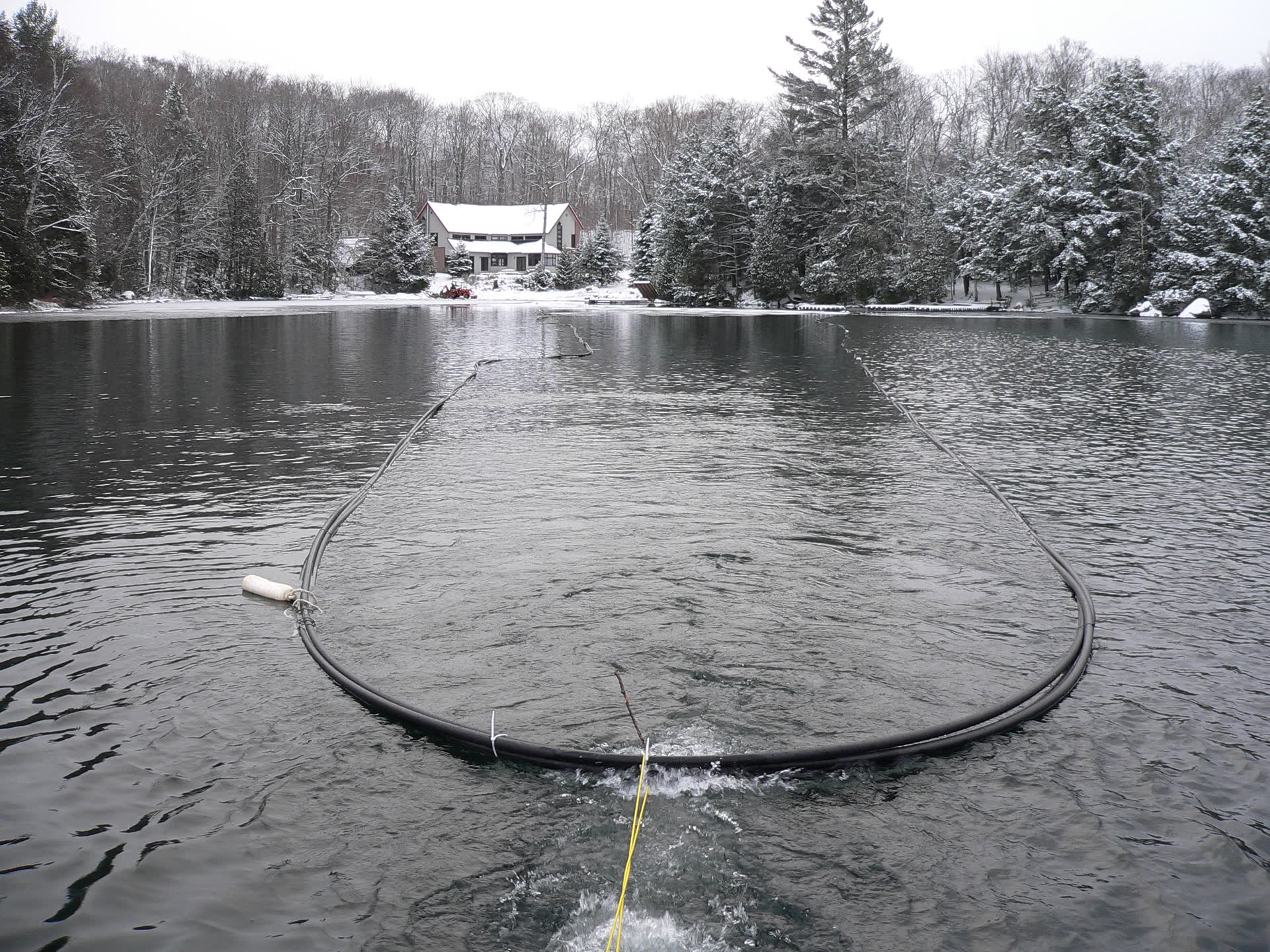
Horizontal fields where there is land, vertical boreholes where there is not, and lake loops where the water is there to use. The constraint is rarely the technology — it is access for a rig and getting the decision made early enough that the loop is still cheap to install.

Tell us about the building

Commercial, institutional, multi-residential or a serious custom house — the useful first step is ten minutes about the plant you have now, the load you need, and what the site will physically allow. Call whenever it suits you; the line is answered around the clock and can book the visit immediately.

Call 437-494-0964

Call 437-494-0964Answered 24/7 — book a site visit now